Somebody posted something on Reddit this weekend that stuck with me.
They weren't a tech founder or an AI researcher. They were someone who's spent enough time watching the AI conversation unfold - and they were frustrated. The post title was blunt: "The AI hype misses the people who actually need it most."
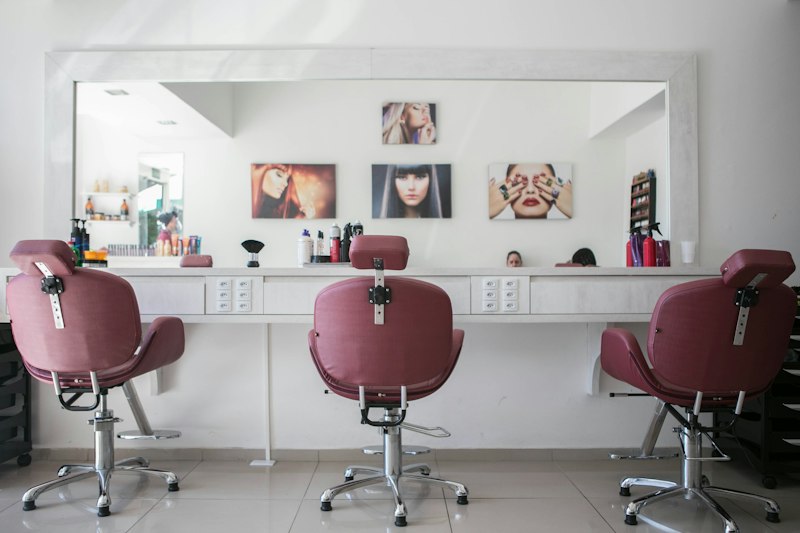
The examples they gave were specific. The barber who loses three clients a week to no-shows because the scheduling system that would fix it costs more than the problem does. The solo attorney drowning in intake paperwork but unable to afford a paralegal. The tattoo artist on the phone all day instead of tattooing because booking is a full-time job on top of the actual job.
These aren't edge cases. These are the small businesses that make up most of the American economy. And the AI conversation - at least the loudest version of it - is not really about them.
The Gap Has a Name
There's a phrase I keep coming back to: the distance between "AI can do amazing things" and "I can actually use AI to make my life better" is where most business owners live.
On one side of that gap: product demos, investor announcements, researchers publishing benchmarks, tech Twitter debating which model handles complex reasoning better.
On the other side: a florist who knows she's spending two hours a day on tasks that feel repetitive, but has never had anyone show her specifically which tool would help, how much it costs, and how long it would take to set up.
Nobody's lying on either side. The technology is genuinely impressive. The florist is genuinely stuck. The problem is that impressive technology and stuck humans don't automatically find each other.
What Actually Helps Solopreneurs
I've been paying attention to what breaks through for solo business owners specifically, and a few things show up consistently.
Specificity beats breadth. "Use AI for your business" is useless advice. "Use Calendly with an AI-generated reminder sequence to cut no-shows in half" is actionable. The more specific the use case, the more likely someone actually tries it.
Tools that fit the current workflow beat tools that require a new workflow. The hardest AI tools to adopt are the ones that require you to change how you work before you see any benefit. The ones that actually get used are the ones that plug into what you're already doing - your existing email, your existing booking link, your existing invoicing tool.
Low cost and fast setup aren't optional. A solo business owner is not going to spend $200 a month and two weeks of configuration time on a new system. The math doesn't work. The tools that are reaching this part of the market tend to be under $30 a month and functional within an hour.
Someone showing them beats any amount of reading. The most effective AI adoption I've seen in independent small businesses happens because one business owner showed another business owner a specific thing. Not a webinar. Not a blog post (I know, I know). An actual human saying "watch what this does" while pointing at a screen.
The Renaissance Argument
The original Reddit post ended with something worth sitting with. The person wrote: "If every small business owner had agents handling the repetitive stuff - the follow-ups, the scheduling, the content, the bookkeeping - you wouldn't just get productivity. You'd get a renaissance. Because people who are drowning in admin don't create. People who are free to think do."
That's not hype. That's actually the promise. Not that AI replaces the barber - it doesn't cut hair - but that the barber can stop losing mental energy to the stuff that isn't barbering.
The technology to do most of this already exists. It's not expensive. It's not complicated. The gap isn't technical. It's human. It's the distance between what's possible and who's standing in front of it explaining it clearly.
That gap is closing. Slowly. More slowly than the announcements suggest. But it's closing.
And if you're a solo business owner who still feels like AI is for someone else, someone more technical, someone with more time: you're the exact person this was supposed to be for. The fact that it hasn't reached you yet is a failure of communication, not a sign you're behind.
Sources: r/AiForSmallBusiness thread, "The AI hype misses the people who actually need it most," March 28, 2026; Forbes AI marketing adoption survey, February 2026; Small Business Entrepreneurship Council, March 25, 2026.
Jade Kim writes about the solo operator life for The Useful Daily - the wins, the friction, and everything that falls between the two.