Six security vulnerabilities were publicly disclosed this week in a piece of software called dnsmasq. You've almost certainly never heard of it. It's almost certainly running in your office.
This is the kind of alert that gets buried in developer mailing lists while small business owners go about their day. You don't get a notification. Your router doesn't tell you. But someone who wants unauthorized access to your network might be reading the same disclosure you're not.
What Is Dnsmasq and Why Is It in Your Building
Dnsmasq is software that handles DNS and DHCP - the plumbing of your network. When you type a web address and your computer finds it, dnsmasq is often involved. When a device joins your Wi-Fi and gets an IP address, dnsmasq may be handling that too.
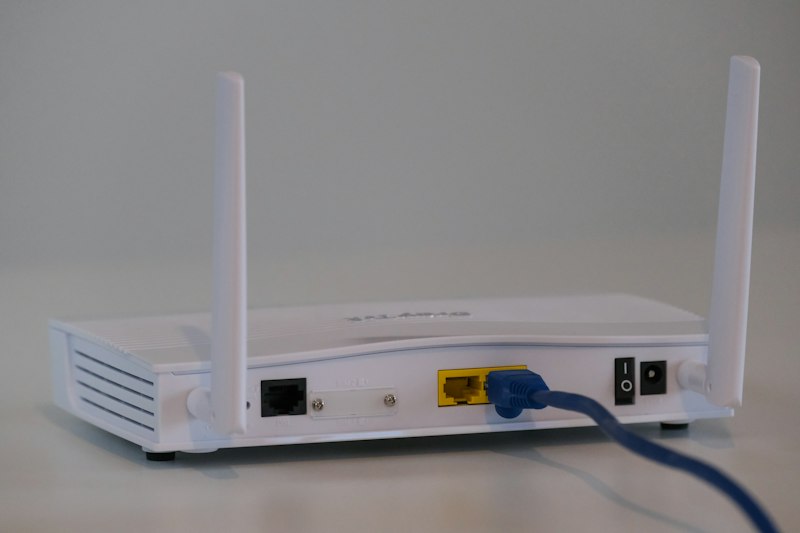
It ships inside millions of consumer and small business routers - including units from Netgear, Asus, TP-Link, Linksys, and many others. It also runs in printers, network-attached storage devices, and IP cameras. Basically: if it connects to your network and it's not a phone or laptop, there's a fair chance dnsmasq is running on it.
On May 11, the developer of dnsmasq - a software project maintained by one person, Simon Kelley - published a security notice disclosing six CVEs (that's the standard label for formally catalogued security vulnerabilities). These are described as "serious vulnerabilities" that apply to "pretty much all non-ancient versions."
CERT coordinated the disclosure, meaning these bugs were shared with major vendors in advance so they could prepare patches. That's the professional process. But it doesn't mean your specific router model has already been updated.
What the Vulnerabilities Could Allow
The six CVEs haven't all been fully detailed publicly yet - that's standard practice during the coordinated disclosure window while vendors push out patches. What is confirmed: these are not minor issues. One of the named bugs involves a malformed DNS record that can crash dnsmasq. A crash that an attacker can reliably trigger is often the first step toward something worse.
In plain terms: someone with the right knowledge could potentially disrupt your network, intercept traffic, or gain access to devices connected to it. For a business handling customer payment data, health records, or any sensitive files on a network drive, that matters.
Three Things to Do This Week
1. Update your router firmware. Go to your router's admin panel - usually at 192.168.1.1 or 192.168.0.1 - log in (the username and password are often on a sticker on the back), find "Firmware Update" or "Router Update," and run it. This takes about five minutes and most modern routers check for updates automatically if you trigger the scan. If your router is more than five years old and the manufacturer no longer releases updates for it, that's your signal to replace it.
2. Check your other network devices. Networked printers and NAS drives (like Synology or QNAP units) also run software that gets updated. If you use these, log into their admin panels and check for pending updates too.
3. Separate your guest network from your business network. If your router supports it (most do), create a guest Wi-Fi network for customers or visitors and keep your business devices on a separate network. This limits what an attacker can reach if they ever get onto your Wi-Fi. It takes about 10 minutes to set up and costs nothing.
Why This Matters More Than the Average Security Story
Cybersecurity stories for small businesses tend to focus on phishing emails and password hygiene - because those are the most common attack vectors. But the dnsmasq disclosures represent a different category: vulnerabilities in infrastructure you don't think about, maintained by people outside your organization, running on devices you haven't touched in years.
The developer himself put it plainly in the announcement: "There's been something of a revolution in AI-based security research." What that means is that security researchers - and attackers - are now using AI to find bugs in software faster than ever before. The volume of newly discovered vulnerabilities is increasing. The window between disclosure and exploitation is shrinking.
You don't have to become a cybersecurity expert. You do have to spend 10 minutes this week updating your router.
Alex Rivera covers regulatory and breaking news for small business owners at The Useful Daily. Source: dnsmasq Security Disclosure, May 11, 2026 | CERT Advisory