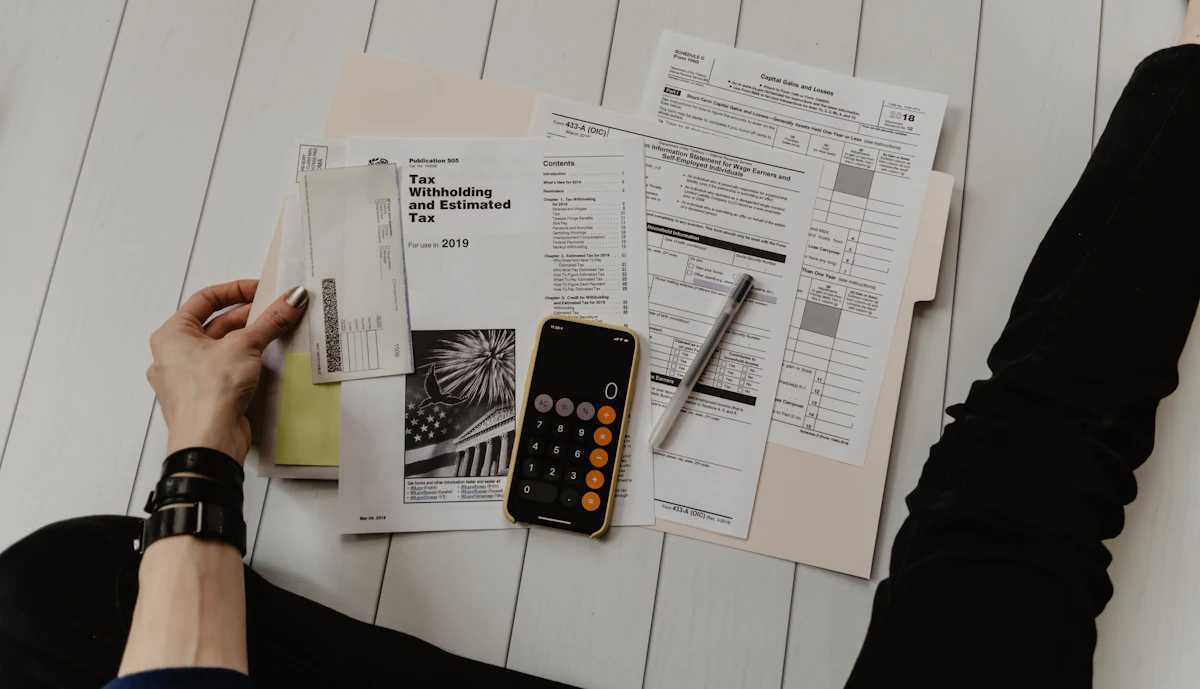
The most honest AI bookkeeping thread I saw tonight did not sound excited.
It sounded tired.
The poster on r/Entrepreneur was not chasing the newest finance app or asking which model had the slickest demo. The complaint was simpler and sharper: automated bookkeeping tools still leave people double-checking categories, worrying about tax filings, and wondering why "AI" sometimes feels like a nicer coat of paint on the same old mess.
That is the real story.
Small business owners are not rejecting automation. They are rejecting the feeling that automation has quietly promoted them to the quality-control department.
The mood is not anti-tech
The emotional undercurrent in these threads is easy to miss if you only read the product language.
People are not saying, "AI is useless."
They are saying:
- I do not want another thing to babysit
- I do not want to find out at tax time that the software guessed wrong
- I do not want a dashboard if I still have to clean up the output
- I do not want "automation" that still needs me to manually verify everything
That is not resistance to progress. That is exhaustion with hidden labor.
Bookkeeping is especially unforgiving because the cost of a mistake is not just inconvenience. It is confidence loss. If a tool is wrong, owners do not just lose time. They start second-guessing the system, the books, and sometimes themselves.
Why this specific workflow keeps breaking trust
Bookkeeping is the kind of work where the last 10% matters a lot.
AI can sort, categorize, and suggest. But business owners still need judgment around edge cases:
- mixed-use expenses
- sales tax
- inventory
- chargebacks
- COGS
- platform fees
That is why "good enough" is not actually good enough here.
If the software gets 90% right but creates 90 minutes of cleanup every week, the promise collapses. The owner did not buy time. They bought a new recurring task.
That same frustration showed up in a recent r/smallbusiness discussion about AI and software maintenance. Commenters kept circling back to the same idea: AI can create more cleanup work than people expected, especially when the thing it built is half-finished or undocumented.
Different category. Same emotional bill.
The data says the gap is real
The Reddit mood lines up with the broader adoption data.
Goldman Sachs reported earlier this year that most small businesses see AI as useful, but far fewer have fully folded it into core operations. The missing piece is not enthusiasm. It is support, training, and reliable implementation.
The U.S. Census Bureau has also shown that business AI use is real but uneven. Adoption is happening. Confidence is not universal.
That matters here because bookkeeping is one of the places where trust matters most. If owners are already nervous about adoption, a tool that still requires manual re-checking is not soothing. It is another reminder that the software is not done.
What owners actually want
The winning pitch is not "replace your bookkeeper."
It is "take the repetitive part off the table without making the rest of the job harder."
That means:
- clearer handoffs when the software is unsure
- fewer silent errors
- visible audit trails
- human review for edge cases
- less time spent reconciling nonsense later
In other words, owners want accountability, not just automation.
That is why so many AI bookkeeping products end up sounding more useful when they are described as service plus software instead of software alone. The service is what absorbs uncertainty. The software is what reduces the grunt work.
If you remove the human and leave the mess, you did not simplify the business. You just moved the anxiety into a new interface.
The editorial read
The best small-business AI stories right now are not about magic.
They are about relief.
Relief from the inbox. Relief from the follow-up. Relief from the receipt pile. Relief from having to ask, yet again, whether the machine really knows what it is doing.
That is why this bookkeeping thread matters. It is not asking for less intelligence. It is asking for less friction.
And for small businesses, that is the whole game.
Sources: r/Entrepreneur bookkeeping thread, r/smallbusiness AI cleanup/maintenance thread, Goldman Sachs small-business AI survey, U.S. Census Bureau AI use by businesses