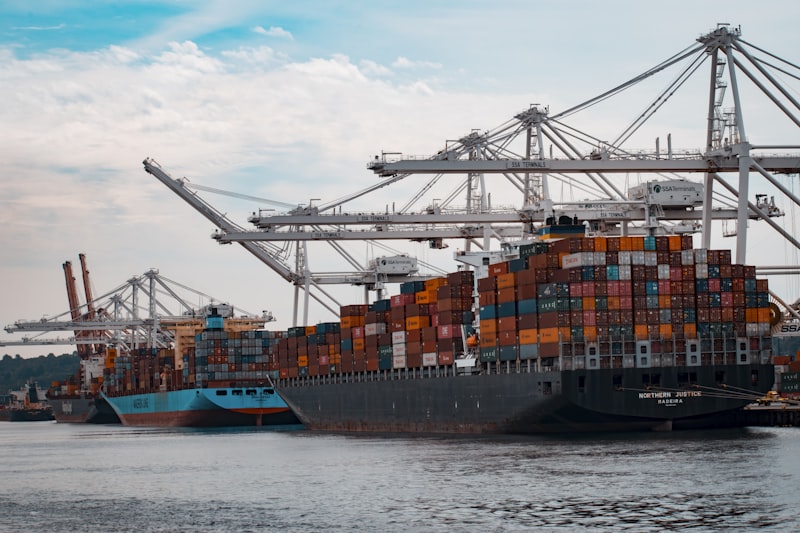
If you import raw materials, finished goods, or products from overseas suppliers, your costs just went up - permanently, for now.
Here is the short version of a complicated story: A 15% tariff currently sits on nearly all goods imported into the United States. It took effect in late February 2026, after the Supreme Court threw out the earlier version of these tariffs, and the White House found a different law to impose new ones.
You are not required to understand the legal mechanics. You are required to deal with the price increases.
What Happened, in Plain English
Last year's sweeping tariffs were struck down by the Supreme Court in February 2026. The court ruled 6-3 that using the International Emergency Economic Powers Act (IEEPA) to impose broad tariffs was not legal.
The same day the ruling came down, the President signed an executive order imposing tariffs of up to 10% under a different law - Section 122 of the Trade Act of 1974. The next day, that rate was raised to 15%.
Section 122 has never been used for tariffs before. It allows the President to impose them for up to 150 days to address trade deficits. After that, Congress would need to approve an extension.
In practical terms: you have a 15% tariff on most imported goods, with no firm end date, and ongoing legal uncertainty about whether this one will hold.
What It Actually Costs You
A 15% tariff doesn't mean your prices automatically go up 15%. But it means your cost of goods does - and that gap has to go somewhere.
Here's what that looks like in real numbers:
- If you spend $10,000 a month on imported inventory, a 15% tariff adds $1,500 to your monthly costs. That's $18,000 a year in new expenses that didn't exist in January.
- If your gross margin was 40%, absorbing that full increase drops your margin to roughly 31% - without changing a single other thing about how you operate.
- If you raise prices to compensate, you're passing the cost to customers in a moment when consumer confidence is already shaky.
There is no clean answer. Most small businesses will do some combination: absorb part, pass part, and cut costs elsewhere.
The Moves That Actually Help
Audit your supply chain now. Make a list of every product or material you import, the country it comes from, and the approximate monthly cost. That's your tariff exposure map. Without it, you're managing a problem you can't see clearly.
Talk to your suppliers. Some overseas manufacturers, especially in Asia, are willing to renegotiate pricing to keep American buyers. You won't know unless you ask. The ask is simple: "Our import costs just increased significantly. What flexibility do you have on pricing?"
Explore domestic or tariff-exempt alternatives. Not everything you import needs to come from a tariff-affected country. Trade agreements with Mexico and Canada provide different rules for some goods. A customs broker - a specialist who handles import paperwork professionally - can tell you whether any of your products qualify for better rates.
Delay big import orders temporarily. The 150-day clock on Section 122 tariffs started in late February. That means they're scheduled to require Congressional approval by late July or early August 2026. The legal situation may change before then. If you can reduce orders in the short term without stranding your business, it's worth considering.
Update your pricing now, not later. Every week you absorb the full increase is a week of margin you're not getting back. If price increases are necessary, communicate them clearly to customers - most understand that supply costs have changed.
What the Data Says Small Businesses Are Doing
According to research from Nav.com, which tracks tariff impact on small businesses month by month, the majority of very small businesses (1 to 19 employees) are absorbing tariff costs rather than passing them to customers - at least initially. Medium-sized businesses are more likely to raise prices.
That gap matters. If you're absorbing costs your competitors are passing on, you're losing margin and may not even know you're doing it differently than the business down the block.
The Bottom Line
The 15% tariff will cost the average small business importer thousands of dollars this year. The legal situation is unsettled - there is a chance the tariffs change before fall, and a real chance they stay or get worse.
What you can control: how well you understand your exposure, how quickly you adjust pricing and sourcing, and whether you have a plan if costs increase further.
A customs broker consultation typically costs $150 to $300 and can identify savings that far outpace the fee. The SBA's free counseling through SCORE (score.org) also covers tariff navigation for small business owners.
Don't wait to figure this out. The businesses that adjust early will protect their margins. The ones that wait will lose them quietly, one imported order at a time.
Sources: Nav.com Small Business Tariff Guide (updated March 2026), nav.com/blog/tariffs-4506520; Trade Compliance Resource Hub tariff tracker, tradecomplianceresourcehub.com; SBA Office of International Trade, sba.gov.